

Greetings!
Welcome to this week’s edition of Advice for the Good Life: Your Pathway to Wealth and Wellness—where we connect the dots between your finances, your health, and the life you’re actually trying to build.
In Wealth Advisory, we tackle a topic that’s quietly becoming one of the largest drivers of net worth for many professionals: equity compensation. From RSUs to stock options, the opportunity is real—but so is the complexity. We walk through how to think about valuation, taxes, liquidity, and, most importantly, concentration risk. Because when your income and your investments are tied to the same company, you’re not just investing—you’re doubling down. The goal isn’t to eliminate opportunity… it’s to integrate it into a disciplined, diversified strategy that compounds over time.
In Wellness Navigator, we zoom in on something even more foundational: your brain. Not productivity hacks—biology. What happens chemically when you take care of yourself, set boundaries, move your body, or simply pause? You’ll see how small, intentional actions can increase motivation, stabilize mood, reduce stress, and quiet the noise. Think of it as a reminder that the best “returns” often start with how you feel—because how you feel shapes how you decide.
In Etcetera, we return to first principles with a powerful perspective from a 92-year-old counselor who spent a lifetime helping others plan for the future—only to remind us that time is the asset we misprice the most. Her lessons challenge us to expand our definition of wealth beyond dollars to include health, relationships, purpose, and presence. Because building a life isn’t just about accumulation—it’s about attention.
If you find value here, we’d be grateful if you share it with someone who would benefit, subscribe if you haven’t already, and most of all—enjoy the read.
Here’s to building not just more wealth…but a better life.

Wealth Advisory: Integrating Equity Compensation into Your Overall Wealth Strategy
In today’s professional landscape, equity compensation represents more than just an additional benefit—it has become a crucial component of wealth building throughout many careers. From restricted stock units (RSUs) to stock options and various other equity-based awards, these forms of compensation have expanded across multiple sectors and career levels.
Yet this type of remuneration brings with it considerable intricacy. Grasping how equity compensation functions within a holistic financial strategy while mitigating associated risks is crucial for wealth creation. These considerations apply whether you’re employed by an emerging startup or an established publicly traded corporation, extending beyond simple questions of company performance. For individuals whose compensation package includes substantial company stock, making informed choices can significantly impact long-term financial results.
The expanding role of equity-based compensation
Equity-based compensation encompasses multiple structures, each carrying unique implications for taxation, vesting schedules, liquidity considerations, and financial strategy. The most prevalent forms include RSUs, stock options, and restricted stock awards (RSAs).
Although not universal, the inclusion of equity in compensation packages alongside base salary and cash bonuses has expanded considerably over recent decades. From a corporate perspective, equity helps maintain cash reserves while encouraging employee retention and performance alignment. From an employee standpoint, equity offers meaningful opportunities for financial advancement linked to organizational success, establishing a foundation for sustained wealth accumulation.
During the mid-1900s, equity was largely confined to senior leadership as a tax-efficient mechanism to synchronize their priorities with shareholder interests. The 1950 Revenue Act established restricted stock options, enabling employees to access preferential capital gains treatment upon meeting specific holding criteria. This development made equity compensation an appealing corporate instrument.
The environment evolved substantially during the 1990s dot-com expansion. Stock options emerged as a key recruitment and retention mechanism for startups operating with constrained cash resources but rapidly appreciating valuations. During this period, companies weren’t obligated to record stock options as expenses on financial statements, unlike other compensation forms. Following the bubble’s collapse in the early 2000s, numerous options became essentially valueless. This period also triggered accounting rule modifications to classify stock options identically to other compensation types.
These developments catalyzed a transformation in corporate equity compensation design. Major technology companies, for example, shifted toward RSUs due to their value retention even during stock price downturns. Unlike options, which only hold value when stock prices exceed the strike price, RSUs represent tangible shares vesting over time. A recent survey conducted by the National Association of Stock Plan Professionals (NASPP) and Deloitte revealed that technology and life science organizations grant RSUs to approximately 60% of their employees.1
Determining the value of equity compensation within your holdings
Among the most complex aspects of integrating equity compensation into a financial strategy is establishing its appropriate valuation. This assessment is significant because it influences portfolio construction decisions and asset allocation choices. The complexity increases when considering liquidity—the ease with which an investor can convert equity to cash. Numerous regulations governing vesting schedules, trading windows, and secondary markets must be evaluated.
Without a structured financial planning approach, some individuals regard unvested equity compensation or shares lacking public market access as having no value. While this perspective is comprehensible, the reality is that such equity typically possesses value warranting inclusion in financial planning.
Conversely, employees at rapidly growing private companies might estimate their equity value based on the latest funding round. This approach presents equal challenges since private company valuations carry inherent uncertainty and may not reflect actual market values when liquidity events occur, such as through an IPO or acquisition.
A more prudent methodology acknowledges that equity compensation represents genuine value, albeit with significant qualifications. For publicly traded company RSUs, utilize current market pricing while acknowledging value fluctuations. For options, evaluate both intrinsic value and time value derived from potential future appreciation. For private company equity, recent valuations provide guidance but may necessitate discounts reflecting illiquidity and uncertainty.
Managing the risk of portfolio concentration
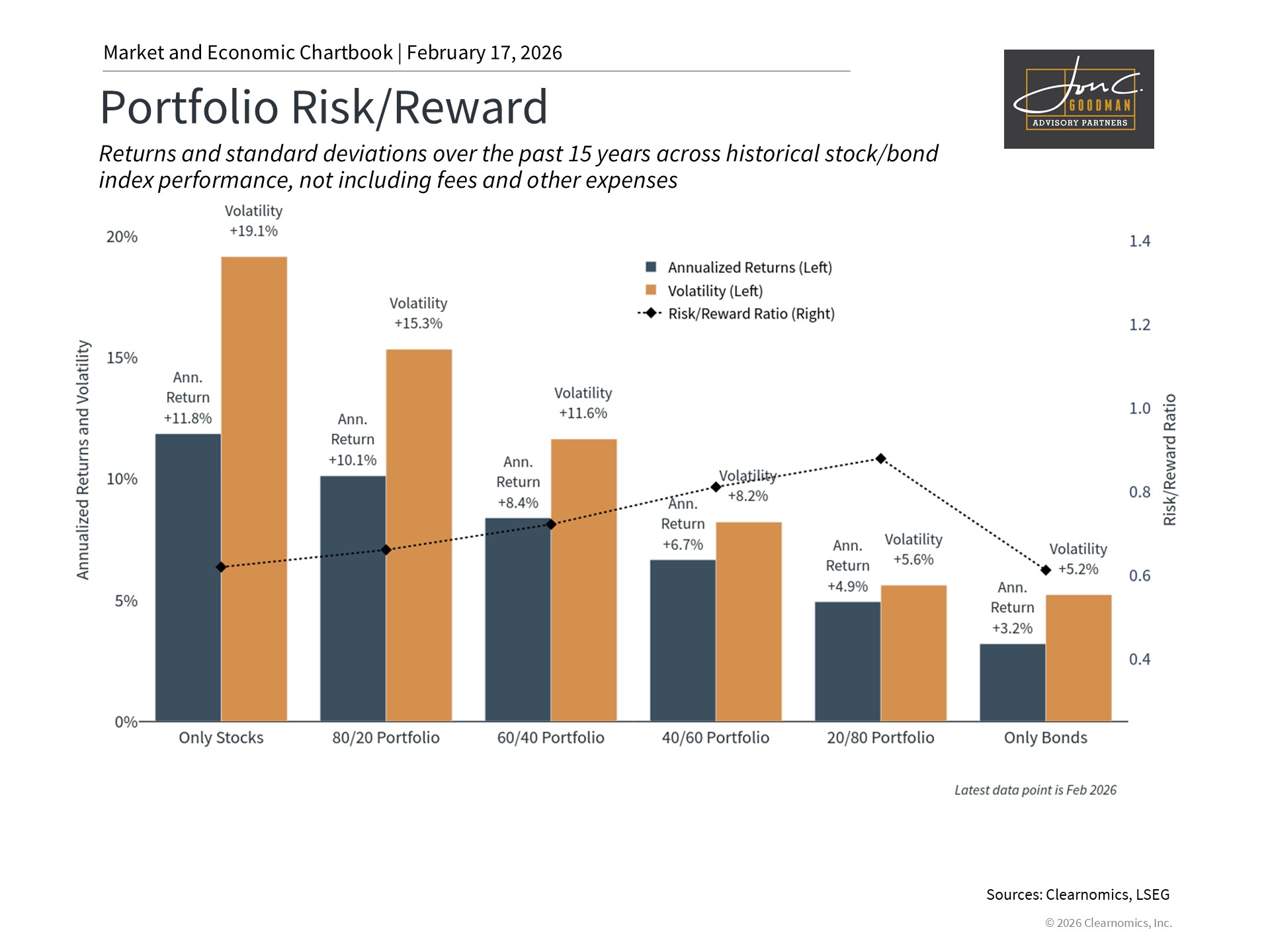
A critical factor in evaluating household asset allocation is “concentration risk.” This describes having excessive wealth dependent on a single investment—in this instance, your employer’s stock. The risk intensifies because both income and investment portfolio depend on the same organization’s performance.
For comprehensive financial planning, multiple strategies exist to provide assistance. The essential principle is careful advance planning, optimizing the benefits of equity compensation while managing risks related to concentration, taxation, illiquidity, and valuation uncertainty.
Consider these strategic approaches:
- Systematic selling entails committing in advance to sell a predetermined percentage of vested shares according to a regular schedule. By establishing a plan beforehand and maintaining discipline, you eliminate emotional decision-making and progressively reduce concentration. Rule 10b5-1 trading plans offer particular value for investors facing trading restrictions. These arrangements enable automatic sales while maintaining compliance with insider trading regulations. However, they demand meticulous setup, including adherence to cooling-off periods and prevention of overlapping plans.
- Preparing for substantial tax events necessitates thoughtful planning. This may encompass strategies including optimizing asset location, deferring tax-loss harvesting, or implementing charitable approaches that enhance tax planning. For example, contributing long-term appreciated shares to a donor-advised fund delivers an immediate tax deduction, diminishes single-stock concentration, and can potentially eliminate capital gains tax.
- Establishing a liquidity reserve through cash and short-term bonds can help counterbalance liquidity risks, supporting forthcoming tax liabilities or near-term expenditures. This ensures adequate cash availability so you’re never compelled to sell shares during unfavorable market conditions.
- Portfolio design in other accounts should reflect your equity compensation position. If you maintain substantial exposure to your employer’s stock, your 401(k) or IRA may require diversification away from that sector and company. For instance, a technology company employee holding significant RSUs might consider underweighting or excluding technology stocks from retirement accounts. Similarly, if your company’s performance correlates with particular economic factors, such as interest rates, your diversified portfolio should incorporate assets demonstrating different behavior under those conditions.
For individuals holding very large concentrated positions, numerous additional advanced strategies exist including protective puts (though these are frequently prohibited for your own employer’s stock), exchange funds pooling stock from multiple investors, or structured donation approaches. However, these methods typically demand professional guidance given their complexity.
Viewing equity compensation as one element of comprehensive planning
Effective equity compensation management requires examining how it integrates into your complete financial landscape. The objective is developing a comprehensive financial strategy that captures the advantages of equity compensation while ensuring your overall portfolio aligns with your long-term financial objectives.
The bottom line? Equity compensation offers significant wealth-building potential but demands thoughtful management. Through understanding the associated risks and planning proactively, you can incorporate it into a comprehensive financial strategy oriented toward long-term achievement.
References
https://www.naspp.com/blog/5-trends-in-full-value-awards

Wellness Navigator and Holistic Brain Health Coach, Christine Despres, RN,NBC-HWC,CDP
The Love Your Brain is Craving
I’ve been thinking a lot about love this week – not the romantic kind, but the quiet, powerful kind that happens when you truly choose and prioritize yourself.
Most women don’t realize this: every time you focus on your own well-being, you’re sending direct biochemical signals to your brain. And your brain? It’s been waiting and it loves it.
The Chemistry of Self-care Neurotransmitters
- Dopamine → your motivation chemical. When it’s flowing, tasks feel doable instead of overwhelming.
- Serotonin → your mood stabilizer. Low serotonin shows up as irritability and that “everything feels hard” feeling.
- Cortisol (lowered) → reduce this stress hormone and your brain fog lifts, sleep improves, inflammation decreases.
- Oxytocin → the connection hormone. It reduces anxiety and creates feelings of safety – even trust in yourself.
- GABA → your brain’s brake pedal. This quiets the mental chatter and anxious thoughts that keep you wired.
6 Ways to Signal Love to Your brain this Week
- Move with joy – A 20-minute walk, dancing to your favorite song, gentle stretching. Choose movement you actually enjoy.
- Eat one home-cooked meal – Cook something new & nourishing for yourself. Sit down. Chew slowly. Savor the flavors.
- Create a 10-minute morning buffer – Before checking your phone or making someone else’s breakfast, give yourself 10 quiet minutes. Coffee, journal, meditation – whatever grounds you.
- Set one guilt-free boundary – Say no to something that drains you.
- Touch and connection – Hug someone you love for 20+ seconds, pet your dog, get a massage. Physical touch releases oxytocin.
- Red light therapy – 10-15 minutes of red light exposure supports your mitochondria (your cells’ energy factories), reduces inflammation, and improves blood flow to your brain. Don’t have a red light device? This might be worth adding to your wishlist – it’s an investment in your brain health that pays dividends daily. (Check out my 15% off discount code- Christine15 for HigherDOSE redlight therapy)
Pick even one of these. Your brain doesn’t need perfection – it needs consistent signals that you matter.
You’ve heard it said that what’s good for the heart is good for the brain. Next week I’ll show you why that’s not just a saying – it’s biology. The science behind how your heart and brain actually communicate might surprise you.
But this week?
Just practice the love part.
Your brain is listening,
Christine
Registered Nurse | Board-Certified Health & Wellness Coach | Holistic Brain Health Coach
https://www.thewellnessnavigator.com/
P.S. If you’re curious about inflammation, understanding your own reward patterns, or how your habits might be affecting your brain health – let’s talk. Book a free 30 minute Brain Strategy Session.

🎥 millionaireME Minute | Lessons from a 92-Year-Old Guidance Counselor
“You think you have time.”
That’s how she begins.
At 92 years old, after decades of counseling young people about their futures, she turns the mirror back on us.
And her advice isn’t about stock tips, résumé hacks, or productivity systems.
It’s about the scoreboard that actually matters.
Here are her ten most important lessons — and why they belong inside millionaireME’s definition of wealth:
- Don’t neglect your health — especially strength. Muscle is independence. Strength is dignity. Lift now so you can lift yourself, unassisted, later.
- Make more friends. Loneliness compounds faster than capital. Invest relationally.
- Talk about death and money. Wills. Trusts. Durable powers. Accounts. Transfer on Death designations. Passwords. Personal property. Insurance policies. Avoidance is expensive. Clarity is love.
- Retirement won’t save you. It will expose you.If work is your only identity, retirement feels like erasure. Build a life and purpose beyond your day job before you need one.
- Enjoy your spouse while you may. Say yes to trips. Accept invitations. Don’t postpone joy.
- Forgive everyone now. Pride and grudges are heavy baggage —too heavy!— for such a short trip.
- Your adult kids don’t need your advice — they need your presence. Ask questions. Listen more. Trust them and that they’ll figure things out.
- Write things down. Stories. Recipes. Pet names. Family lore.Memory fades. Written legacy compounds.
- You will be scared. Of illness. Of loneliness. Of losing independence. But take heart: You are stronger than you think. Courage beats denial. Every. Single. Time.
- The last 30 years go faster than the first 60. Decades collapse. PAY ATTENTION. You do not have unlimited time.
This is millionaireME in its purest form:
✅ Health
✅ Relationships
✅ Preparation
✅ Purpose
✅ Attention
You think you have time.
But wealth isn’t just growing assets.
It’s stewarding days.
So here’s the question:
If the next decade goes by in a blink…
what would you regret not doing starting today?
Here’s the link to the video:
https://youtu.be/vVk2rfkaD5w?si=-KdMBmADGhzFE49W
#UnleashYourInnerTBA #TODAY
That’s all for today.
Have a great week,
